Source transparent love plant card for Wedding, Promotion, New Baby
Compare 30 transparent love plant card options from verified suppliers. These customizable seed paper cards feature creative designs and are suitable for weddings, promotions, and new baby gifts with various sizes and colors; compare the available evidence and request quotations based on your requirements.
Key considerations
Products List


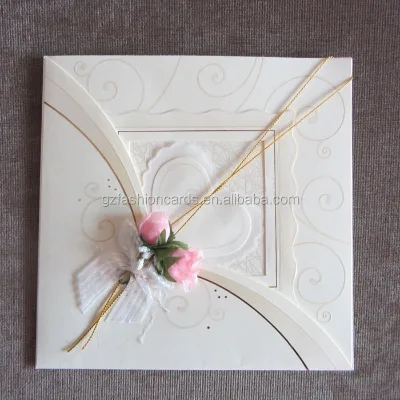


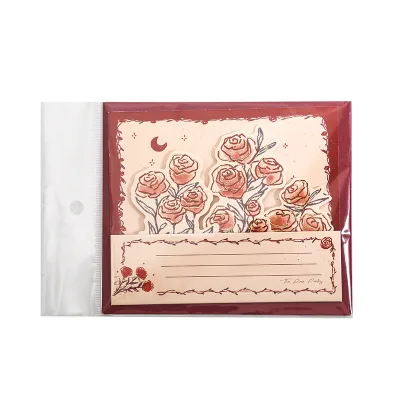
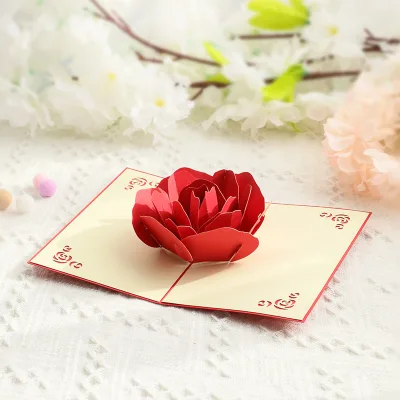
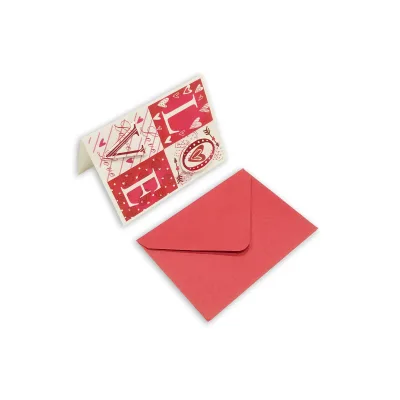


Comprehensive Sourcing Guide
Transparent Love Plant Card Sourcing Guide
The transparent love plant card sits at the intersection of two proven gifting formats: the handmade seed paper card and the plantable promotional gift. Buyers typically source these cards for wedding favors, anniversary gifts, new baby announcements, and promotion campaigns, where the emotional message of "plant this card and watch love grow" carries real marketing value. Because the product is a paper-based card rather than a live plant, it ships as ordinary printed matter, making it far easier to distribute at events or include in retail packaging than potted alternatives.
This guide is written for B2B procurement teams, event planners, and promotional product resellers evaluating listings on wholesale marketplaces. The listings observed for this category cluster around custom-sized, handmade seed paper cards produced in mainland China, with sample lead times of five to seven days and minimum order quantities frequently starting around 2,000 pieces. The sections below translate those listing signals into a practical verification checklist, covering specifications, compliance, cost structure, supplier qualification, and long-term sourcing discipline.
Product Scope and Observed Listing Signals
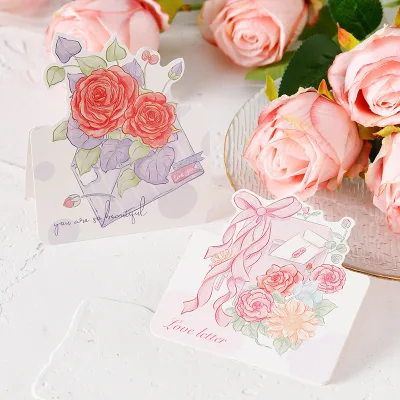
Listings in this category describe a product family rather than a single standardized SKU. Core attributes observed across listings include matte paper or paperboard construction, uncoated finishes, screen printing, plant-shaped or custom shapes, and colors ranging from pink to white and multicolor. Model references such as ZTCP-Card, ZTCP-Seed Paper, and "Seed Paper Card" confirm that many listings originate from the same product family, while the stated usage — plant gift promotion — and occasions such as weddings, anniversaries, new baby, and promotion campaigns define the commercial positioning.
Buyers should note the breadth within this apparent uniformity. Some listings emphasize the recycled feature of the paper; others describe the item primarily as a decorative label or gift card, with one listing even referencing an inflatable material, which signals that keyword-matched listings may not all be true seed paper cards. MOQs span an enormous range, from single-piece samples to volumes exceeding 100,000, and listed prices range from under one dollar to a few dollars per unit. Treat each listing as a hypothesis to be confirmed through sampling rather than an assured product match.
Technical Specifications to Verify
Begin verification with the paper itself. The defining claim of a seed paper card is that embedded seeds remain viable after the card is planted, so buyers should request confirmation of seed type, germination expectations, and paper thickness — one listing cites a 5×5×0.2 cm standard, but most listings state customized dimensions. Confirm that the matte, uncoated paper stock specified is compatible with the intended printing method, since screen printing is the observed process and heavy ink coverage may affect plantability and seed viability.
Shape and structural details also require explicit confirmation. The category supports custom shapes, including plant silhouettes, so supply die-line drawings and confirm cutting tolerances, since the cutting process is a listed processing step. Verify card weight — one listing references 100g — and clarify whether this refers to paper grammage or shipping weight, as the difference materially affects both feel and freight cost. Finally, confirm packing format: carton box and OEM packing are both referenced, and the distinction matters for retail-ready versus bulk-event shipments.
Compliance and Safety Documentation
Because seed paper cards are marketed as plantable gifts, buyers should verify the safety and origin of the embedded seeds before committing to volume orders. Ask suppliers to document seed species, treatment status, and phytosanitary considerations for destination markets, since many countries restrict seed imports regardless of packaging format. A card that passes customs as paper can still be held at the border if the embedded seeds fall under agricultural import controls, so confirm import rules with your broker for every target market.
For paper and print safety, request documentation appropriate to the product's contact scenarios. Wedding favors and new baby gifts imply handling by a wide range of consumers, so confirm that inks used in screen printing are safe for the intended use and that paper materials meet applicable destination-market requirements. Do not assume certifications exist: listings in this category do not state certification status, so any compliance claim must be evidenced with documents rather than accepted from product descriptions. Recycled-content claims, if marketed, should also be backed by supporting paperwork from the mill or converter.
Cost Drivers and Commercial Terms
Unit economics in this category are driven primarily by customization, order volume, and seed content. Custom sizes, custom shapes, and multicolor screen printing each add setup cost, while larger runs dilute plate and die charges across more units. Observed listing prices range from roughly one cent to over three dollars, which reflects differences in card size, seed density, printing complexity, and whether the listing represents a bulk quotation or a small-sample price. Always request tiered quotations against your exact specification rather than comparing headline prices across dissimilar listings.
Minimum order quantities vary dramatically, from single-piece listings to 111,100-piece offers, with 2,000 pieces appearing as a common MOQ baseline. Match your order structure to actual demand: sample orders of one to a few pieces are available for evaluation, but confirm whether sample fees and sample lead times of five to seven days convert into production slots. Clarify packing (carton box versus OEM packing), origin (mainland China, with Guangzhou referenced), and who bears freight and customs risk before signing off on a purchase order.
Supplier Qualification and Quality Control
Qualify suppliers through evidence, not listing polish. Start with a sample request and evaluate the actual product against your specification: paper texture, seed visibility, print registration, cut quality, and overall handmade consistency. Because the category is described as handmade and creative in design style, expect batch-to-batch variation and set explicit tolerance bands for color, size, and appearance. A supplier that responds to a detailed specification with precise answers — dimensions, grammage, seed type, packing configuration — is more likely to manage production reliably.
Before volume production, agree on a documented quality plan. Define acceptable limits for dimensions, color match, printing defects, and packaging counts, and decide whether third-party inspection is warranted for your order size. Given the customizable nature of the product, require a pre-production sample or digital proof sign-off for every reorder, since artwork, shape, or paper substitutions can occur silently between runs. Confirm the supplier's stated customization capability — listings confirm customization is available — by testing it during the sampling phase rather than discovering limitations after deposit payment.
Long-Term Procurement Checks
Sustained sourcing success depends on treating the first order as the start of a relationship audit. Track reorder consistency: compare each production batch against your approved golden sample, documenting any drift in paper stock, seed embedding, or print quality. Maintain your own records of model numbers, confirmed specifications, and packing arrangements — the category uses several overlapping model references such as ZTCP-Card, ZTCP-Seed Paper, and seed paper — so your internal records, not the supplier's listing, become the contract baseline for repeat orders.
Build resilience into the supply chain as volumes grow. Single-origin sourcing from mainland China concentrates logistics and seasonal-capacity risk, so identify at least one alternate qualified supplier for peak-event demand windows such as wedding and promotion seasons. Reassess costs annually against volume tiers, since MOQ structures from 2,000 pieces upward reward consolidated annual commitments. Finally, revisit compliance documentation each year, because seed import rules and paper safety expectations can change in destination markets, and a supplier whose documentation was adequate last season may not satisfy updated requirements without new evidence.
FAQs
What material is the transparent love plant card made from?
The card is made from matte paper, including handmade seed paper that can be planted after use. Listings also mention paperboard and fancy paper variants depending on the model. Because the paper is uncoated, seeds can germinate when the card is planted in soil. Confirm the exact paper type and seed variety with the supplier before ordering, since material details vary between the listed product models.
Can the size and shape of the plant card be customized?
Yes, customization is available, and most listings specify custom or customized sizes with a creative, handmade design style. Some models list a reference size of 5 by 5 by 0.2 centimeters, but dimensions are generally produced to your requirements. Shape can also follow a custom or plant-inspired outline. Provide artwork and dimensions early, and request a sample, since sample production typically takes five to seven days.
How long does a sample take before bulk production?
Sample time is typically five to seven days according to the product listings. After you approve the sample, bulk lead time depends on order quantity and customization complexity, so confirm the production schedule with the supplier directly. Plan extra days for shipping from China. Submitting print-ready artwork and final specifications at the start helps avoid delays during sampling and the later mass-production stage.
What is the typical minimum order quantity for these cards?
One listed product shows a minimum order quantity of 2000 pieces, while the overall listing range spans from single-piece samples to very large volumes. This means MOQ varies significantly by supplier and product model. If you need a small trial batch, ask suppliers which models support low MOQ orders. For bulk wedding or promotion orders, requesting quotes at several quantity tiers can reduce the unit price.
Which printing method is used for the card design?
The cards use screen printing, which suits the uncoated matte and seed paper surfaces. Screen printing works well for solid colors and simple artwork, so very fine photographic detail may not reproduce perfectly on plantable paper. Provide vector artwork with limited colors for the best result. Confirm color matching, including the pink and multicolor options, with the supplier before approving mass production.
How are the plant cards packed for shipping?
Packing is specified as carton box or carton packing, and one listing notes OEM packing is available. Cartons protect the flat cards during transit from China and suit bulk wedding or promotion orders. If you need retail-ready packaging, gift envelopes, or branded cartons, discuss OEM options with the supplier. Since the cards are paper products, keeping them dry during storage and shipping is important.
What occasions suit a seed paper love plant card?
Listed occasions include weddings, promotions, new baby celebrations, and anniversaries. The cards work as plantable gifts or decorations for indoor and outdoor use, combining a message card with a growing plant. Wedding favors and promotional giveaways are the most common uses. Because designs are handmade and customizable, you can match colors and shapes to your event theme, subject to supplier confirmation.
Can I order the plant card with my own branding?
Yes, customization is listed as available, covering size, shape, color, and design. Suppliers offer screen printing for logos or messages on matte or seed paper, and OEM packing is also mentioned. Provide your artwork, preferred dimensions, and quantity when requesting quotes. Because cards are handmade, expect slight variation between pieces, and use the five-to-seven-day sample stage to verify branding quality before bulk production.